
Recycling
Chemical recycling research focuses on advanced technologies that break down complex plastic waste into its basic molecular building blocks or secondary feedstocks for refineries. The main goal is to optimise these processes for commercial viability, enabling a true circular economy by turning contaminated, difficult-to-recycle waste plastics back into virgin-quality raw materials.
Ongoing research
Pyrolysis of Tetra Pak
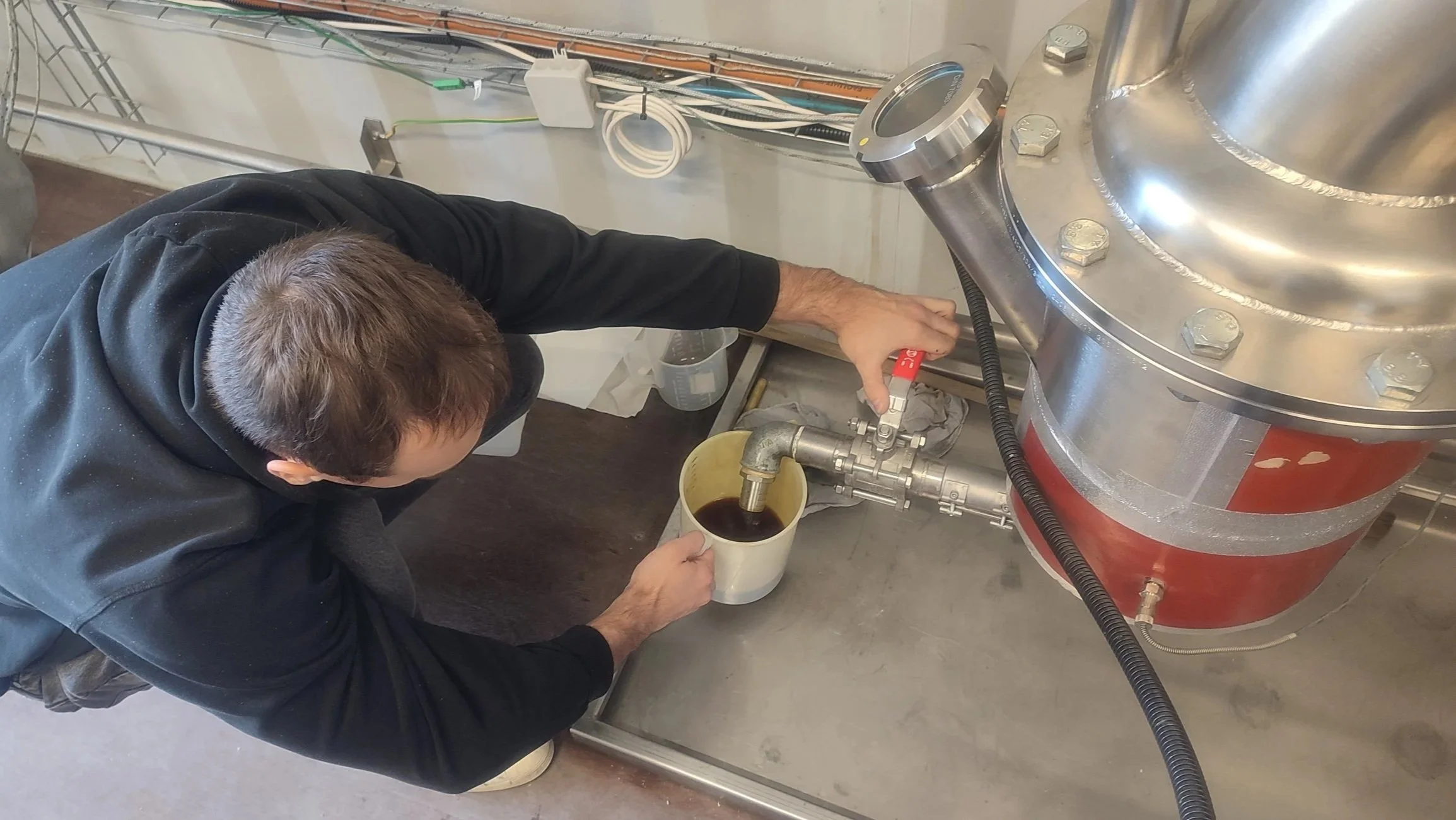
Recycling multi-layer packaging like Tetra Pak is a major environmental challenge because conventional methods often downgrade material quality. Pyrolysis offers a promising chemical alternative, particularly for the so-called PolyAl waste remaining from paper hydropulping technology. Pyrolysis separates the aluminium while converting the plastic layer into valuable hydrocarbon-rich oil. Optimizing the conditions leads to better oil quality increasing potential for its further valorizing as feedstock for steam cracking to produce ethylene monomer and thus reaching circulaty.
Reductive depolymerization of polycarbonate
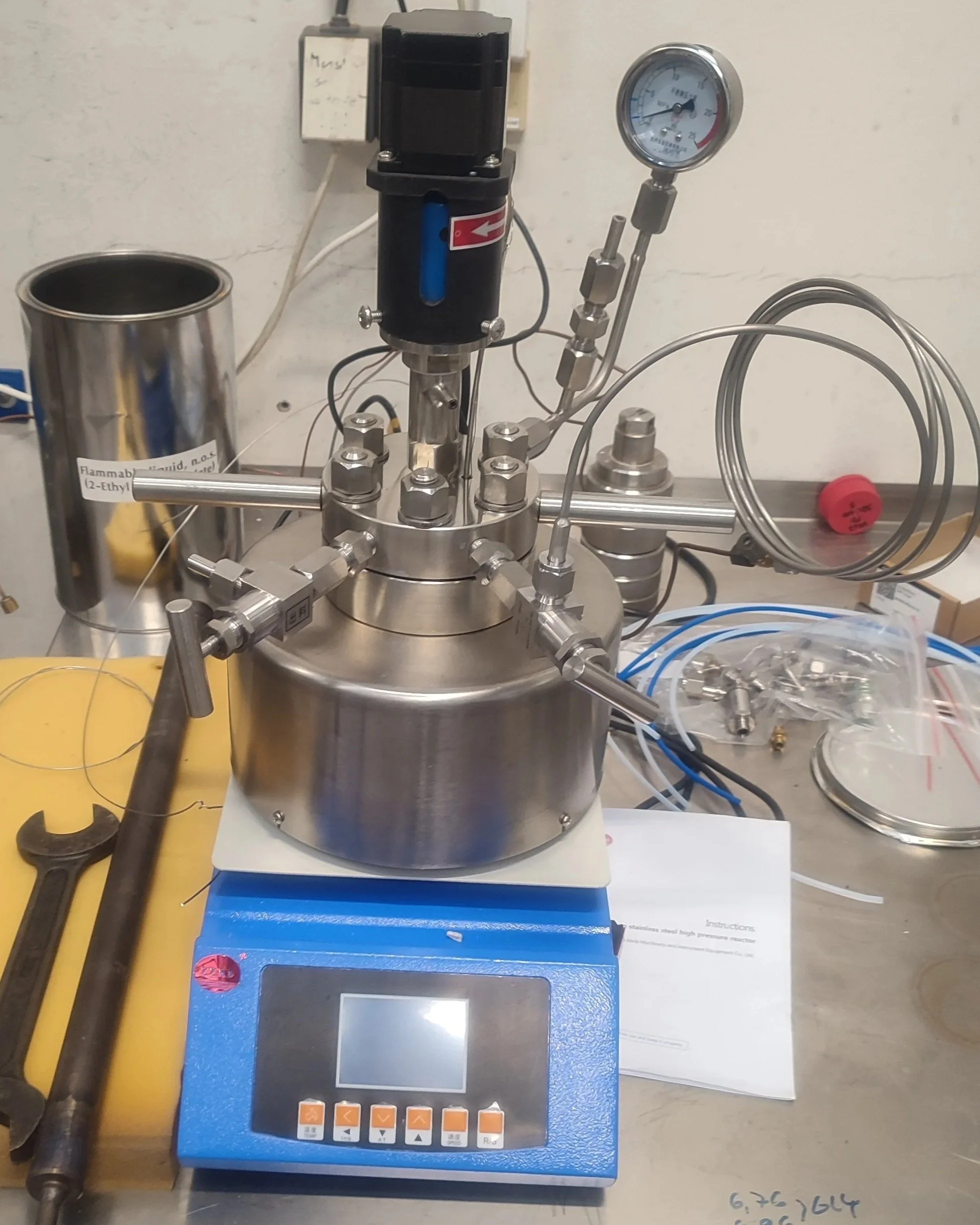
Our ongoing research on polycarbonate (PC) chemical recycling focuses on advanced recycling/upcycling of PC into valuable chemicals like Bisphenol A (BPA) monomer, phenolics, etc. We are using both fixed-bed and batch reactors for catalytic experiments.
PET glycolysis and hydrolysis
Our research focuses on the chemical recycling of polyethylene terephthalate (PET) waste through glycolysis and hydrolysis. These processes enable the depolymerization of PET into valuable chemical building blocks that can be used for the production of new polymers and other chemical products. By investigating reaction conditions, process efficiency, and product selectivity, we aim to improve the recovery of valuable compounds from waste PET, particularly textile-containing PET, and contribute to the development of more sustainable and circular plastic value chains.
Previous research
Nothing yet we completed and not continue further.